
Semaglutide: What the Research Shows
Semaglutide’s clinical trial program spans diabetes and weight management alike. Here’s what the SUSTAIN and STEP trials actually found — and how it stacks up against similar therapies.



Semaglutide’s clinical trial program spans diabetes and weight management alike. Here’s what the SUSTAIN and STEP trials actually found — and how it stacks up against similar therapies.
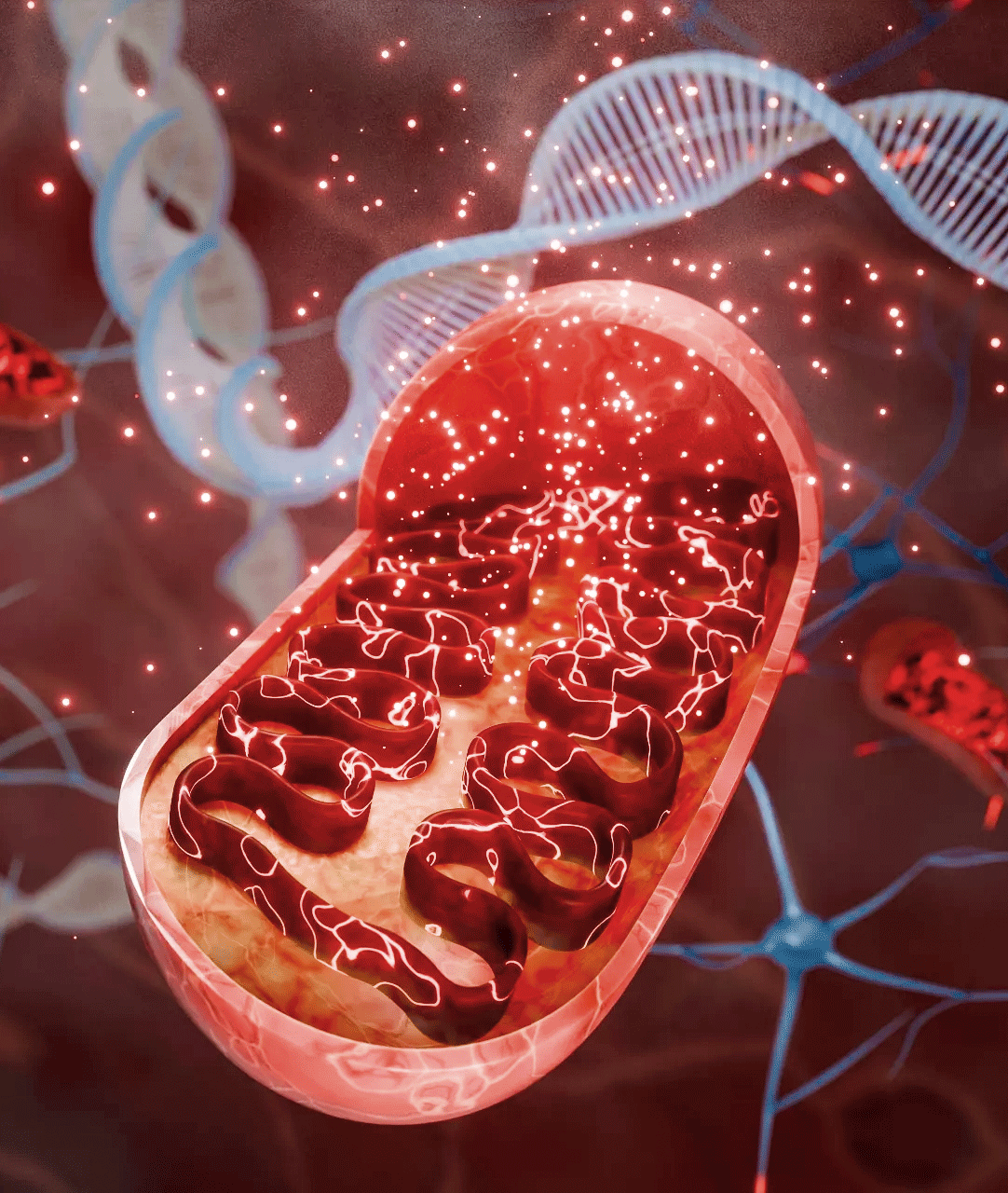
MOTS-C is a mitochondria-encoded peptide tied to metabolism and exercise physiology. Here’s what the research shows — including a rare human exercise-response finding.

BPC-157 and TB-500 are frequently paired in peptide research under the name ‘Wolverine Blend.’ Here’s what’s actually been studied on each compound — and where the evidence stands.

Tirzepatide’s dual-hormone mechanism has driven some of the largest clinical trials in this category. Here’s what the glycemic control and weight management research actually found.

BPC-157 has become one of the most studied peptides in preclinical tissue-repair research. We break down what the tendon, ligament, and gastrointestinal research actually shows — and where you can read the original studies yourself.