

Glow Blend: What the Research Shows
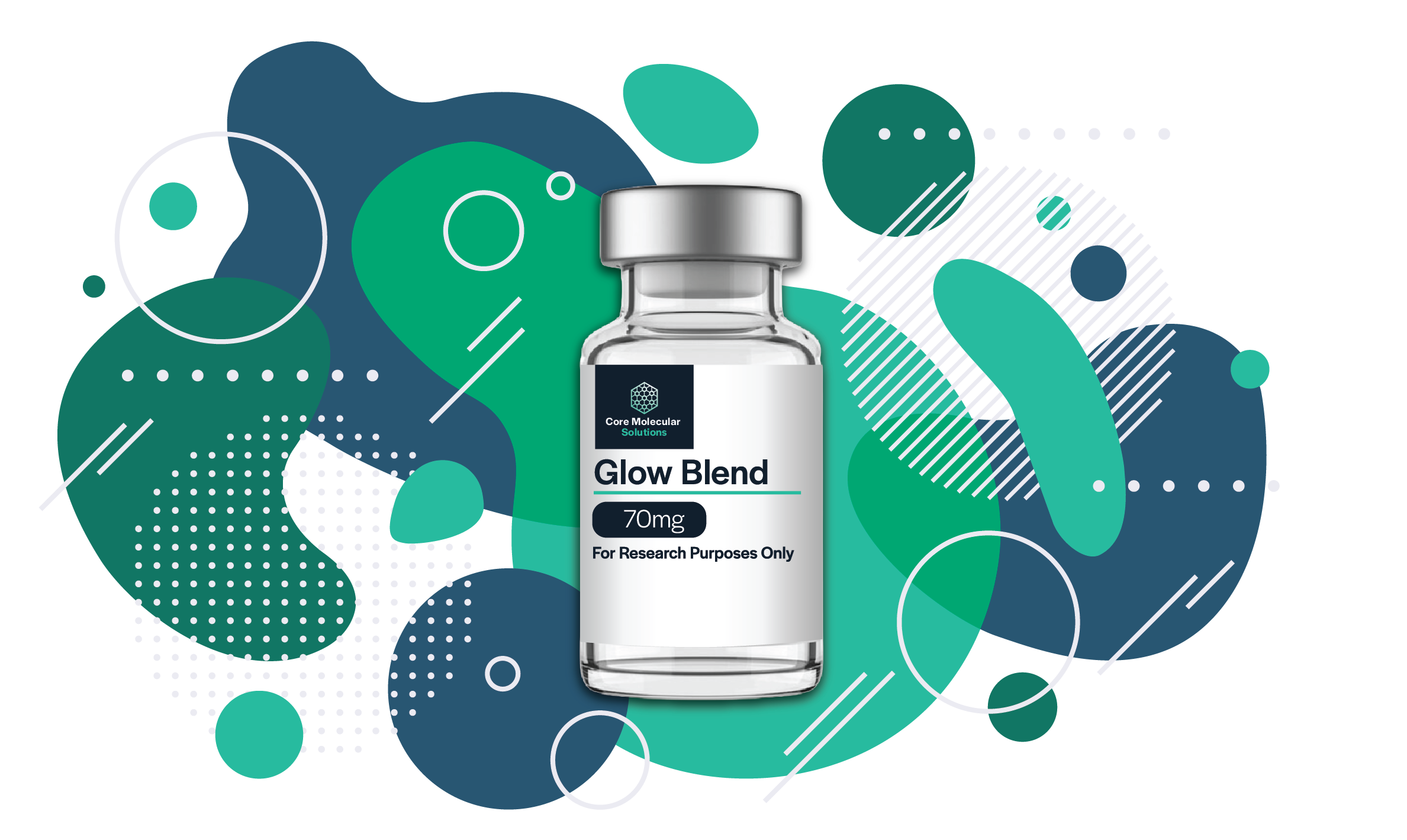
Glow Blend is an informal name for a combination of three separately studied compounds — BPC-157, TB-500 (a synthetic fragment of Thymosin Beta-4), and GHK-Cu, a copper-binding tripeptide. As with Wolverine Blend, it’s worth being direct upfront: no published study has tested this specific three-compound combination together. Each peptide has its own independent research base, and pairing them is a research-community convention grounded in complementary mechanisms rather than a tested co-formulation. We’ve covered BPC-157, TB-500, and GHK-Cu individually in previous posts — this piece focuses on how their proposed mechanisms relate to one another.
Three Distinct Mechanisms
Each compound in this combination has been studied for a different piece of the tissue-repair process:
- BPC-157 is studied primarily for its effects on angiogenesis and nitric oxide signaling — initiating blood vessel formation and the broader repair cascade at an injury site
- TB-500 acts at the cytoskeletal level, regulating actin to support the physical migration of repair cells toward damaged tissue
- GHK-Cu is studied for its role in collagen synthesis and extracellular matrix remodeling — supporting the structural rebuilding phase of tissue repair, largely through copper’s function as a cofactor for collagen-stabilizing enzymes
What the Individual Research Shows
BPC-157 has been studied in animal models for tendon and ligament healing — accelerating recovery in Achilles tendon and ligament injury models — as well as gastrointestinal protection, including some of the earliest research on the compound in gastric ulcer models. TB-500 has been studied for its role in wound reepithelialization and collagen deposition, along with a distinct body of cardiac research showing it mobilizes progenitor cells involved in coronary vessel formation. GHK-Cu’s research centers on collagen and connective tissue: animal wound-healing studies show increased collagen and glycosaminoglycan deposition, while small human pilot studies have examined its effects on skin collagen synthesis directly.
Proposed Mechanism
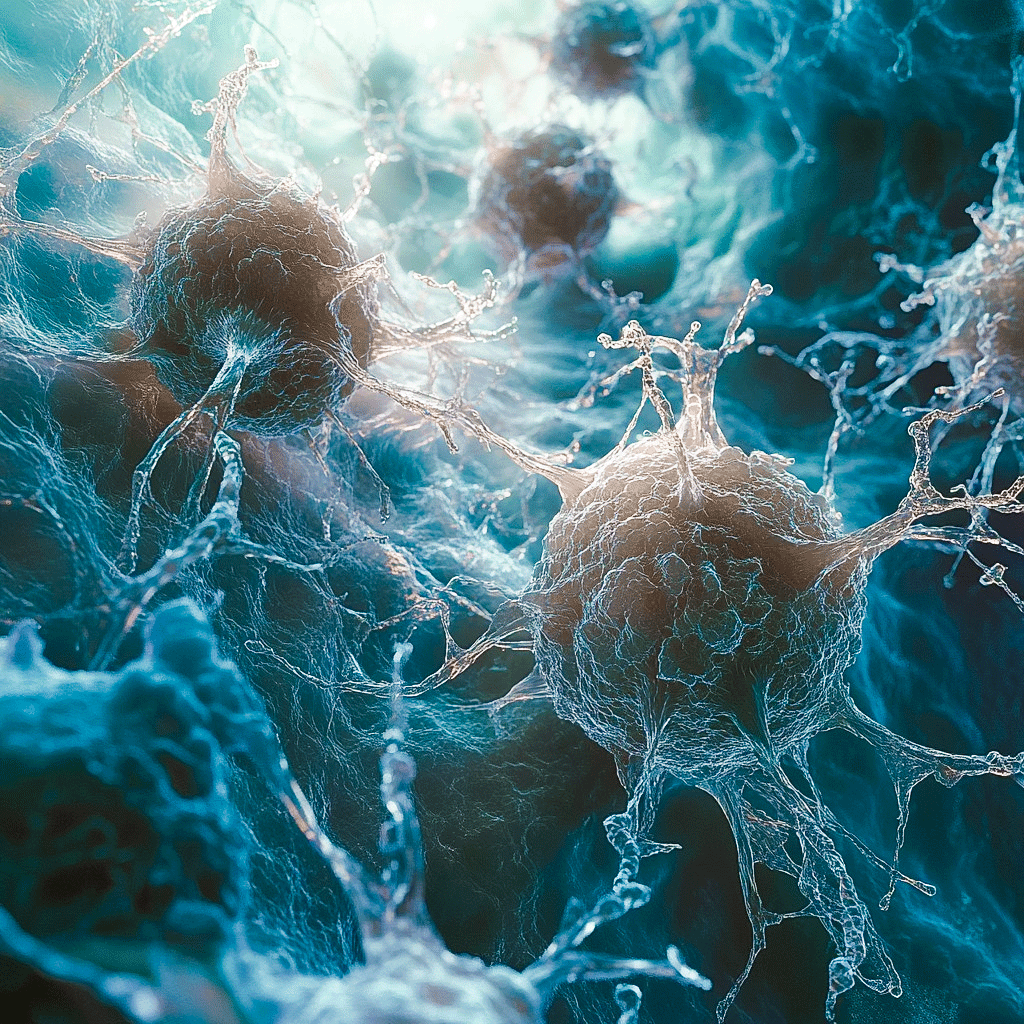
Each compound in this combination is studied for a different piece of the tissue-repair process, and the rationale for combining them rests on four complementary mechanisms:
- Collagen and connective tissue synthesis — driven primarily by GHK-Cu, which supports dermal fibroblasts in producing new collagen and elastin, the structural proteins responsible for skin density and firmness
- Cell migration and tissue repair — BPC-157 is studied for accelerating the body’s healing response in soft tissue (muscle, tendon, ligament, and skin), while TB-500 works through a related but distinct pathway, regulating actin to help repair cells physically migrate to the site of injury
- Angiogenesis — both BPC-157 and TB-500 have been studied for promoting the formation of new blood vessels, which in principle would improve oxygen and nutrient delivery to healing or rejuvenating tissue
- Inflammation modulation — components of this blend have been studied for their effects on inflammatory signaling, with research suggesting an effect on chronic or dysregulated inflammatory pathways rather than blanket immune suppression
Current State of the Evidence
It’s worth being clear about where each component actually stands: BPC-157 and TB-500 research is almost entirely preclinical, conducted in animal models rather than human trials. GHK-Cu has a longer research history and some small human pilot studies, though these remain early-stage rather than large controlled trials. No component of this blend, individually or combined, has been evaluated in a large-scale human clinical trial.
Explore our Glow Blend research product:
View Glow BlendThis overview reflects published clinical research. Products offered by Core Molecular Solutions are intended for laboratory research purposes only and are not for human or veterinary use.