


This is a demo store for testing purposes — no orders shall be fulfilled. Dismiss
Skip to content
AOD-9604 is a synthetic 16-amino acid fragment derived from the C-terminal region of human growth hormone (residues 176-191, with one modified amino acid). Researchers identified this specific fragment because it appeared to isolate hGH’s fat-metabolizing (lipolytic) activity from its growth-promoting activity — meaning, in theory, it could stimulate fat breakdown without the IGF-1 elevation and associated growth effects of full-length growth hormone.
Foundational studies in obese mice found that both full-length hGH and AOD-9604 reduced body weight gain and increased fat oxidation over chronic treatment. Critically, researchers found that unlike hGH, AOD-9604 did not raise blood glucose or reduce insulin secretion, and did not bind to the growth hormone receptor at all — indicating it works through a distinct pathway from conventional GH signaling (Heffernan et al., Increase of fat oxidation and weight loss in obese mice caused by chronic treatment with human growth hormone or a modified C-terminal fragment, Journal of Endocrinology, 2001). Follow-up work identified a possible mechanism: both hGH and AOD-9604 appeared to act through beta-3 adrenergic receptors, a pathway involved in fat cell lipolysis (Effects of Human GH and Its Lipolytic Fragment (AOD9604) on Lipid Metabolism, Endocrinology, 2001).
AOD-9604 progressed further into human testing than most compounds discussed on this page — approximately 900 subjects across six clinical trials, according to the published safety data (Stier et al., Safety and Tolerability of the Hexadecapeptide AOD9604 in Humans, Journal of Endocrinology and Metabolism, 2013). That published paper, however, reports only safety and tolerability outcomes — it does not include weight-loss results. Efficacy figures for the two pivotal trials (METAOD005 and METAOD006, also called OPTIONS) were disclosed through company press releases and industry press coverage rather than a peer-reviewed publication: reporting at the time indicated a positive weight-loss signal in METAOD005 that a larger follow-up trial, METAOD006, did not reproduce at any tested dose. Following that result, Metabolic Pharmaceuticals halted the compound’s formal drug development program in 2007.

AOD-9604 received Generally Recognized as Safe (GRAS) designation from the FDA for use as a food ingredient — a distinct, lower regulatory bar than drug approval, based primarily on toxicology and safety data rather than proven efficacy. It has never been approved as a pharmaceutical drug for weight loss or any other indication, and its formal development program remains discontinued.
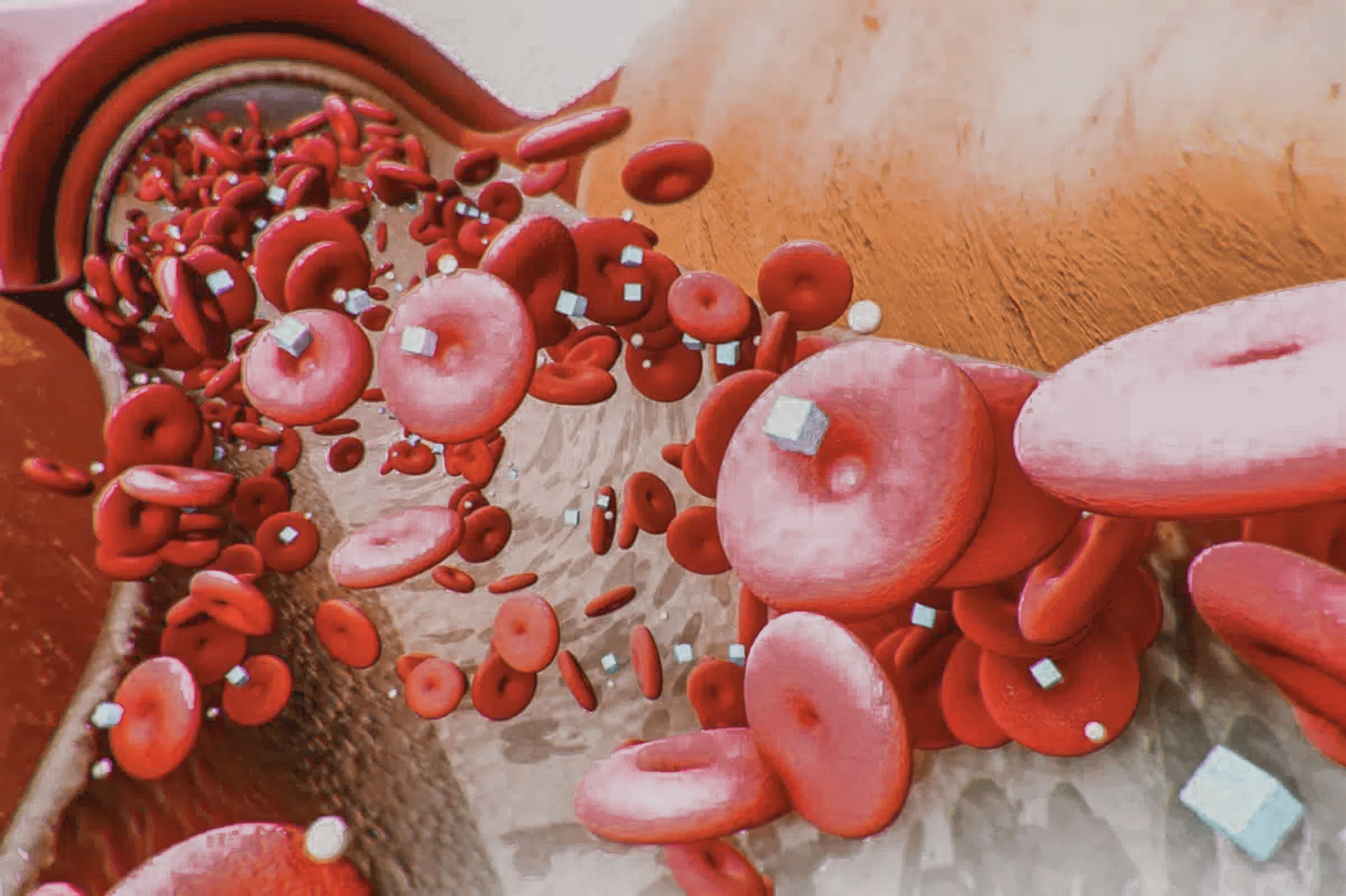
Research on AOD-9604 points to a mechanism separate from conventional GH-receptor signaling:
This overview reflects published preclinical and clinical trial research, including a pivotal trial that did not replicate earlier positive findings. Products offered by Core Molecular Solutions are intended for laboratory research purposes only and are not for human or veterinary use.
You must be at least 21 years of age to access Core Molecular Solutions. By entering this site, you confirm that you meet this requirement