

Semax: What the Research Shows
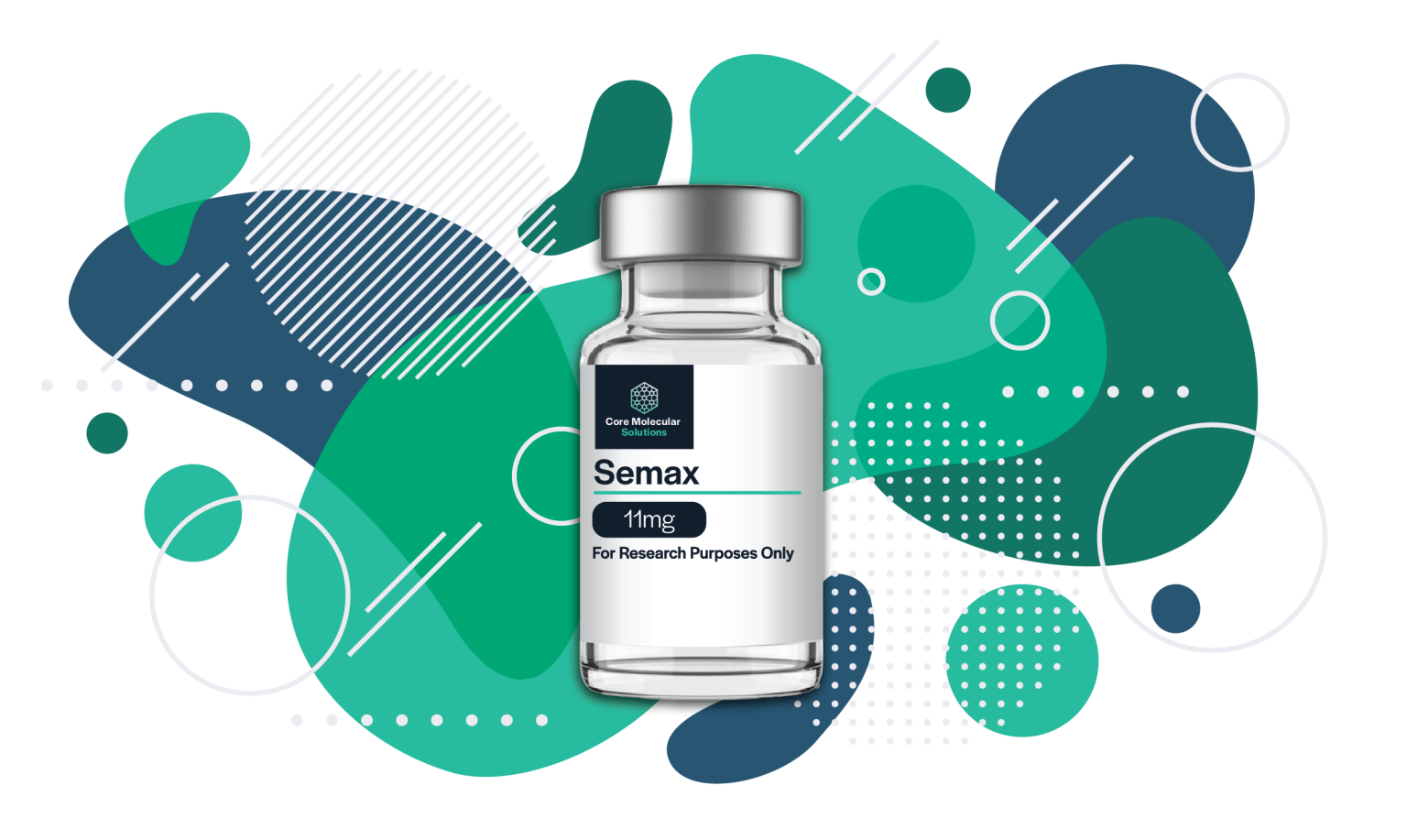
Semax is a synthetic heptapeptide developed in the 1980s by the Institute of Molecular Genetics of the Russian Academy of Sciences. It’s structurally derived from ACTH(4-10) — a fragment of adrenocorticotropic hormone — modified to remove the hormonal (cortisol-stimulating) activity of the parent molecule while preserving its effects on the brain. Research on Semax centers on two closely related areas: cognitive/neurotrophic effects under normal conditions, and neuroprotection following ischemic brain injury.
BDNF and Cognitive Function
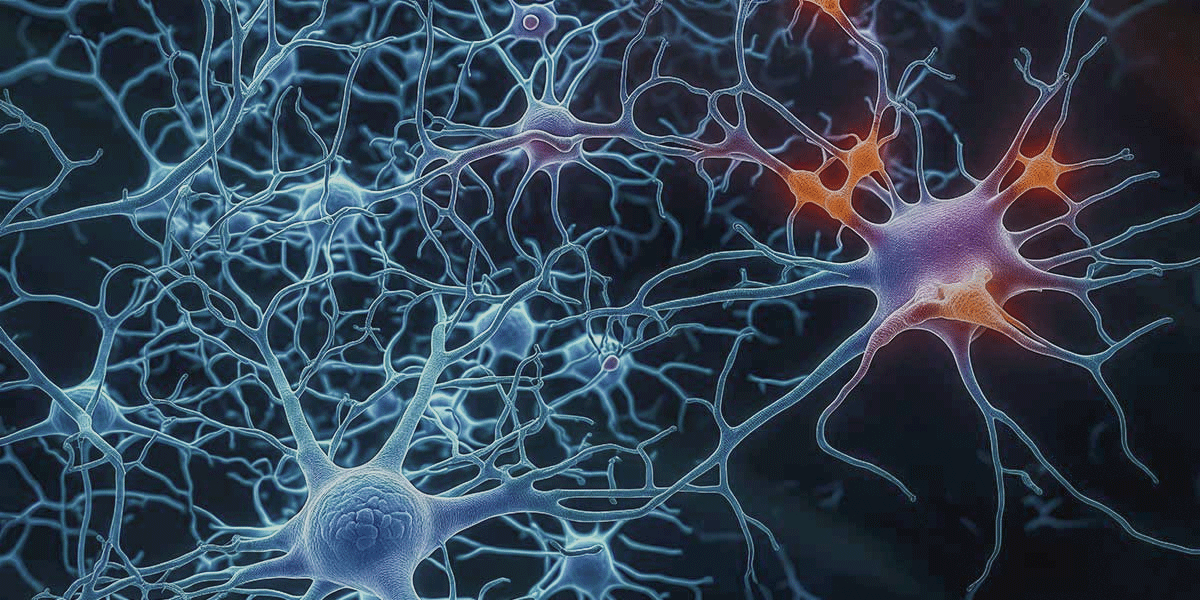
A foundational study published in Brain Research examined Semax’s effect on brain-derived neurotrophic factor (BDNF) and its receptor, trkB, in the rat hippocampus — a brain region central to learning and memory. Researchers found that a single dose of Semax produced a 1.4-fold increase in BDNF protein and a 1.6-fold increase in trkB receptor activation, along with a 3-fold increase in BDNF gene expression. The researchers concluded that Semax’s cognitive effects are likely mediated through this hippocampal BDNF/trkB signaling system (Dolotov et al., Semax, an analog of ACTH(4-10) with cognitive effects, regulates BDNF and trkB expression in the rat hippocampus, Brain Research, 2006).
Neuroprotection in Cerebral Ischemia
A separate study examined how Thymosin Beta-4 affects matrix metalloproteinases (MMPs) — enzymes responsible for clearing damaged tissue and making room for new tissue growth. Researchers found that Thymosin Beta-4 substantially increased MMP-2 and MMP-9 levels in dermal wounds within two days of treatment, and identified the specific region of the molecule (the central actin-binding domain) responsible for this effect (Thymosin beta4 promotes matrix metalloproteinase expression during wound repair, Journal of Cellular Physiology, 2006).
Proposed Mechanism
Research on Semax points to a few interconnected properties:
- BDNF/trkB signaling — Semax’s most consistently documented effect, tied directly to its influence on learning, memory, and neuronal plasticity in animal models
- Broad transcriptomic effects during ischemic injury — rather than acting on a single pathway, Semax appears to influence a wide network of genes related to inflammation, cell survival, and neurotransmission during and after ischemic events
- Retained ACTH fragment activity without hormonal effects — the structural modification that defines Semax was specifically designed to preserve ACTH’s central nervous system effects while stripping out its adrenal-stimulating (cortisol) activity

Regulatory and Research Status
Most Thymosin Beta-4 research, like BPC-157’s, comes from animal and cell-culture models. One exception is a Phase 2 randomized controlled trial in corneal healing, which found 58% complete healing at 28 days in the treatment group compared to 28% in the placebo group — one of the few controlled human trials involving this peptide family.
Explore our Semax Research Product:
View SemaxThis overview reflects published preclinical and international clinical research. Products offered by Core Molecular Solutions are intended for laboratory research purposes only and are not for human or veterinary use.