


Melanotan II: What the Research Shows
Melanotan II (MT-II) is a synthetic cyclic peptide that mimics alpha-melanocyte-stimulating hormone (alpha-MSH), a hormone that regulates skin pigmentation. Unlike Melanotan I (also known as afamelanotide, which is FDA-approved for specific photosensitivity conditions), MT-II is a shorter, non-selective compound that binds broadly across four melanocortin receptors (MC1R, MC3R, MC4R, and MC5R) rather than acting selectively on the pigmentation pathway alone. That broader receptor activity is central to both its documented effects and its most notable side effects.
Early Human Research
The foundational human study, a 1996 pilot Phase 1 trial published in Life Sciences, tested escalating doses of subcutaneous MT-II in three healthy male volunteers over two weeks. Researchers confirmed dose-dependent skin tanning, but also documented dose-limiting side effects, including nausea, flushing, and spontaneous erections occurring alongside a stretching-and-yawning behavioral response (Dorr et al., Evaluation of melanotan-II, a superpotent cyclic melanotropic peptide in a pilot phase-I clinical study, Life Sciences, 1996).
An Unexpected Finding Redirected Research
The erectile side effect observed in that early trial led to a separate line of research entirely. Researchers went on to study MT-II specifically for erectile dysfunction, finding it could reliably induce erections in men with psychogenic ED — a discovery that shifted much of the compound’s formal drug-development attention away from tanning and toward sexual dysfunction, eventually leading to the development of a related, more selective compound (bremelanotide, marketed as Vyleesi).
Tanning Efficacy — A Notable Evidence Gap
Despite MT-II’s popularity for tanning specifically, there is no large randomized controlled trial evaluating it for that purpose. The tanning evidence that exists comes from small pilot studies and observational reports, not the kind of rigorous trial data available for its ED-related effects.

Documented Safety Concerns
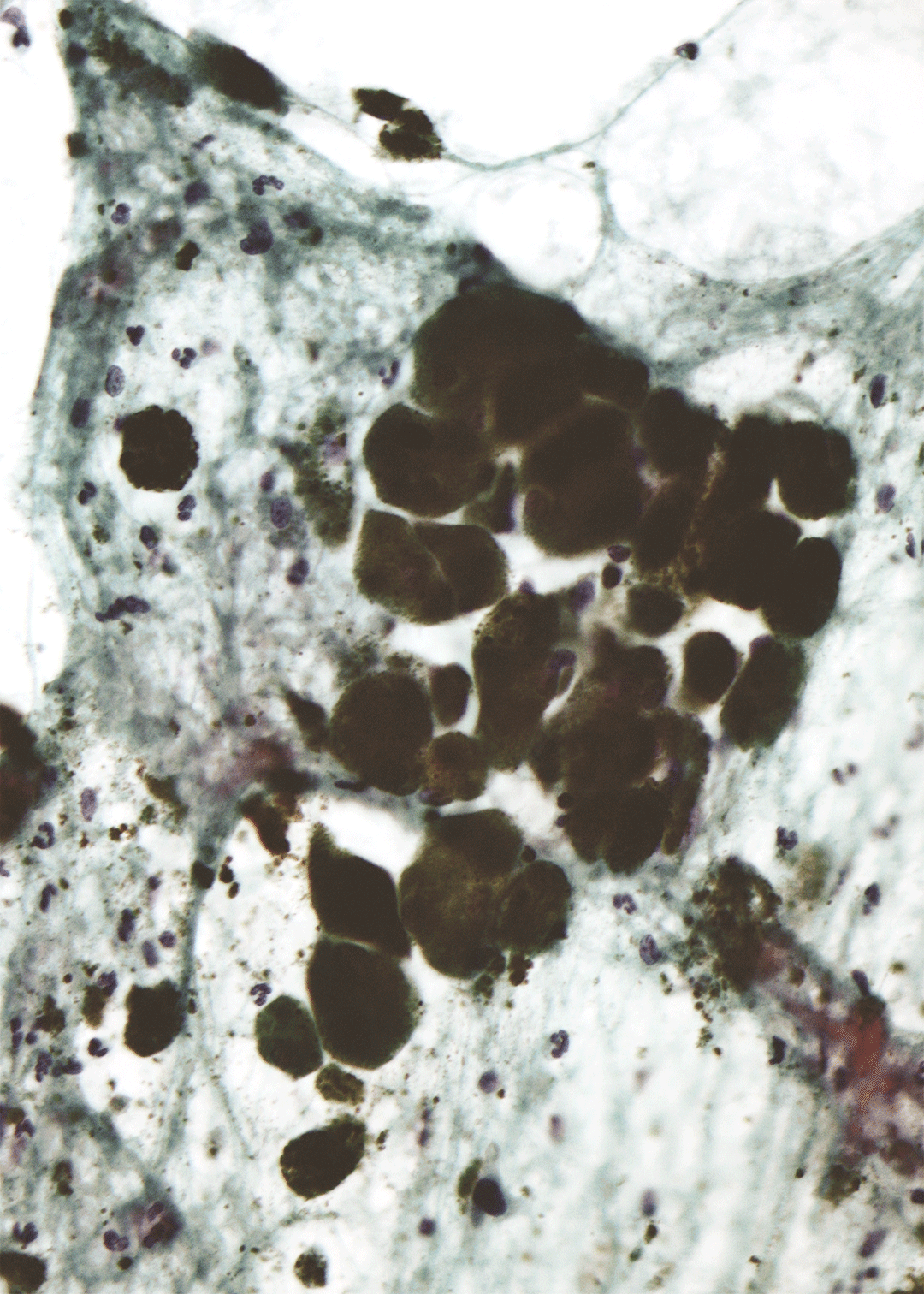
Because MT-II is unregulated and commonly self-administered outside clinical settings, a body of case-report literature has emerged describing adverse findings, including changes in the appearance of existing moles and pigmented lesions, and a recent case report documenting new pigmentation in the oral mucosa following injection use (Changes in Oral Mucosa Associated with Melanotan II Injections: A Case Report, 2026). Because MC1R activation is directly tied to melanocyte activity, researchers have raised concern about a possible relationship between MT-II use and melanocytic changes, though a causal link to skin cancer has not been established in controlled research.
Regulatory Status
Melanotan II has never been approved by the FDA for any indication and remains unlicensed. As of 2026, the FDA lists it under Category 2 of its 503A bulk drug substances list, a category the agency is still evaluating.
Explore our Melanotan II research product:
View Melanotan IIThis overview reflects published clinical and case-report research. Products offered by Core Molecular Solutions are intended for laboratory research purposes only and are not for human or veterinary use.