

NAD+: What the Research Shows
Nicotinamide adenine dinucleotide (NAD+) is a coenzyme present in every cell, essential to energy metabolism, DNA repair, and the activity of enzymes called sirtuins, which regulate processes tied to aging and cellular stress response. NAD+ levels are well-documented to decline with age — by some estimates, as much as 80% over the human lifespan — which has driven substantial research interest in restoring NAD+ levels therapeutically.
Human Trial Evidence — With an Important Caveat
The strongest human evidence in this research area comes not from NAD+ itself, but from oral NAD+ precursors, primarily nicotinamide riboside (NR). In a landmark 2018 randomized, double-blind, crossover trial, researchers gave 24 healthy adults ages 55-79 either NR or placebo for six weeks each. They found that 1,000mg daily of NR elevated blood NAD+ levels by roughly 60%, was well-tolerated, and was associated with reductions in blood pressure and arterial stiffness in participants with elevated baseline blood pressure (Martens et al., Chronic nicotinamide riboside supplementation is well-tolerated and elevates NAD+ in healthy middle-aged and older adults, Nature Communications, 2018).
The State of the Broader Evidence Base
A 2026 systematic review examined the full landscape of NAD+-related human and animal research, covering 113 eligible studies — 33 human intervention trials and 80 rodent studies. The review found that oral NR and NMN consistently raised NAD+-related biomarkers in humans and were generally well-tolerated, but that effects on functional, metabolic, and vascular outcomes were inconsistent — often null or specific to certain measures rather than broadly positive. Critically, the review found no completed outcome trials evaluating intravenous or intramuscular NAD+ itself for anti-aging or wellness purposes — only one small, non-randomized IV NMN study met inclusion criteria, and it primarily provided short-term safety data rather than efficacy findings (NAD+ supplementation for anti-aging and wellness: A PRISMA-guided systematic review, 2026).
Proposed Mechanism
Research on NAD+ and its precursors points to a few interconnected roles:
- Sirtuin activation — NAD+ is required for sirtuins to function, a family of enzymes linked to many of the cellular benefits associated with caloric restriction
- Mitochondrial function — NAD+ is central to the electron transport chain, the process by which cells generate usable energy
- Age-related decline — the well-documented drop in NAD+ levels with age is the primary rationale behind NAD+-boosting research, though whether restoring levels reverses age-related dysfunction in humans remains an active, unsettled question
Current State of the Evidence
This is worth stating plainly: robust human trial data exists for oral NAD+ precursors, not for NAD+ administered directly. Research on injectable or IV NAD+ specifically remains almost entirely unstudied in controlled human trials, despite being widely marketed.

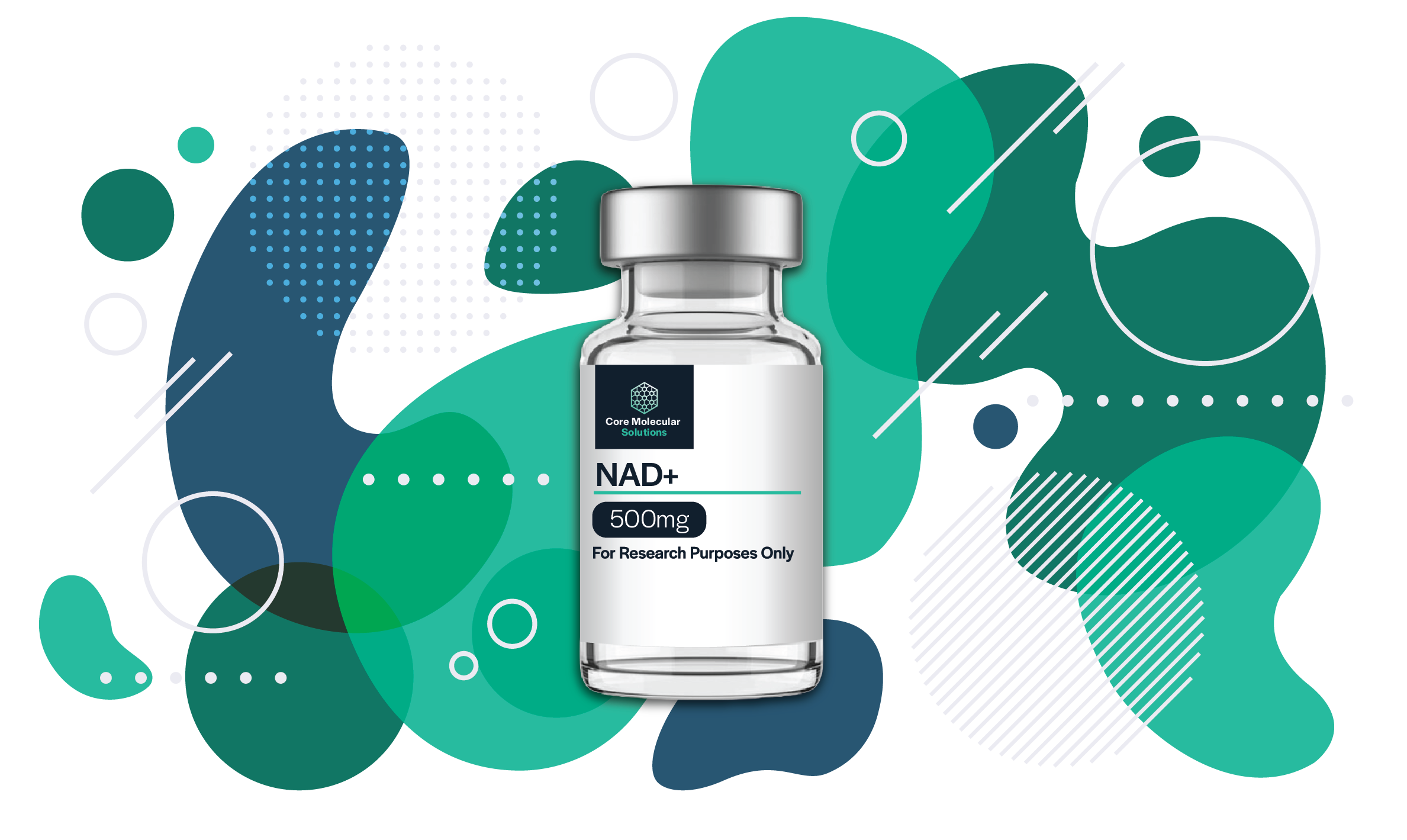
Explore our NAD+ research product:
View NAD+This overview reflects published clinical and preclinical research. Products offered by Core Molecular Solutions are intended for laboratory research purposes only and are not for human or veterinary use.