

This is a demo store for testing purposes — no orders shall be fulfilled. Dismiss
Skip to content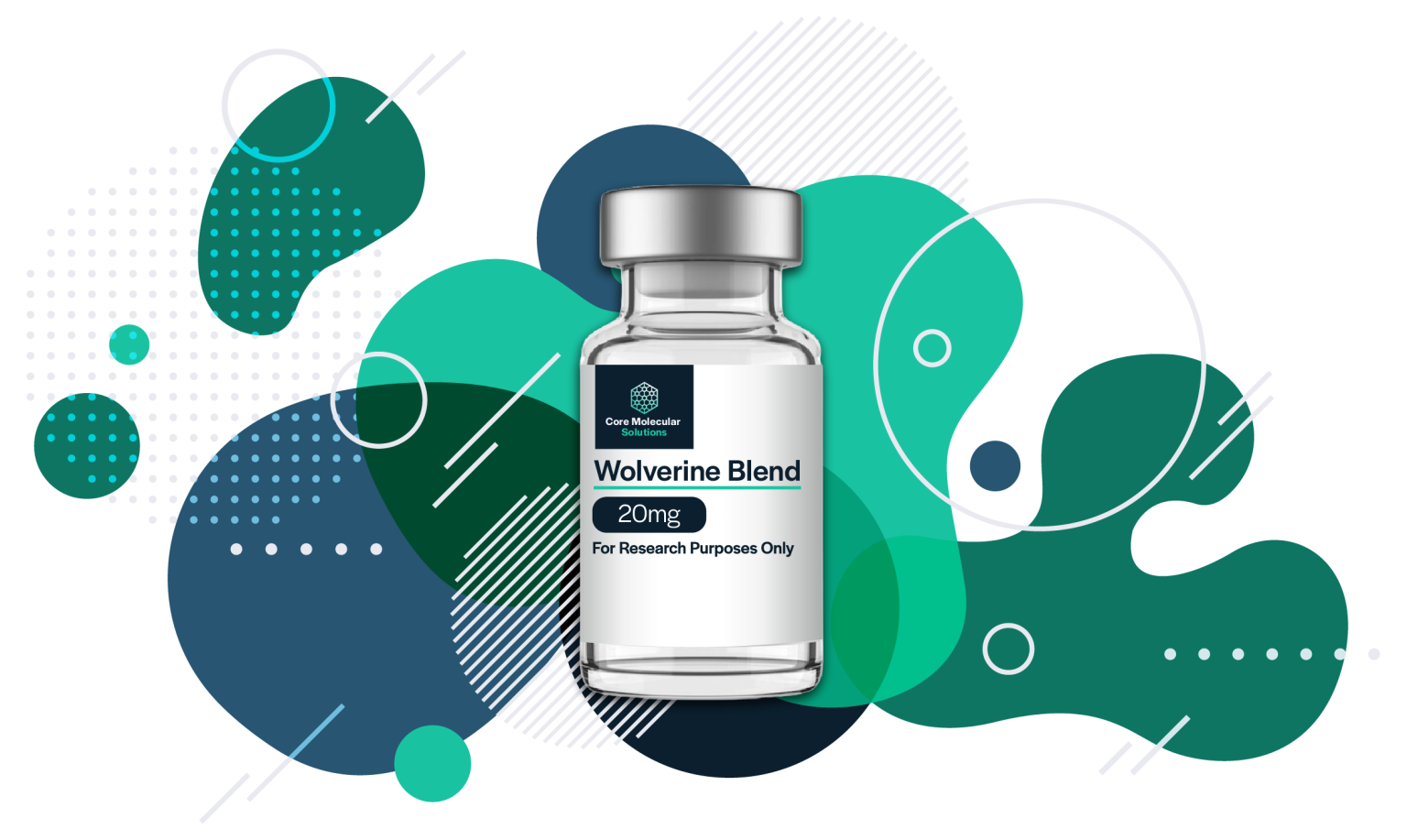
“Wolverine Blend” is an informal name used across the peptide research community for a combination of two separately studied compounds — BPC-157 and TB-500 (a synthetic fragment of Thymosin Beta-4). It’s worth noting upfront: no published study has tested this specific combination directly. Each peptide has its own independent body of research, and the pairing is a research-community convention based on their complementary mechanisms, not a tested co-formulation. We’ve covered BPC-157’s research in a previous post — this piece focuses on TB-500’s evidence base and how the two are thought to complement each other.
TB-500 is derived from Thymosin Beta-4, a naturally occurring protein found throughout the body that regulates actin, the structural protein cells use to move and reorganize. In a rat full-thickness wound model, researchers found that Thymosin Beta-4 increased wound reepithelialization by 42% over saline controls at day 4, and by as much as 61% by day 7, alongside increased collagen deposition and angiogenesis (Thymosin beta4 accelerates wound healing, Journal of Investigative Dermatology, 1999).
A separate study examined how Thymosin Beta-4 affects matrix metalloproteinases (MMPs) — enzymes responsible for clearing damaged tissue and making room for new tissue growth. Researchers found that Thymosin Beta-4 substantially increased MMP-2 and MMP-9 levels in dermal wounds within two days of treatment, and identified the specific region of the molecule (the central actin-binding domain) responsible for this effect (Thymosin beta4 promotes matrix metalloproteinase expression during wound repair, Journal of Cellular Physiology, 2006).
Researchers who study these two peptides together generally point to complementary — rather than overlapping — mechanisms:
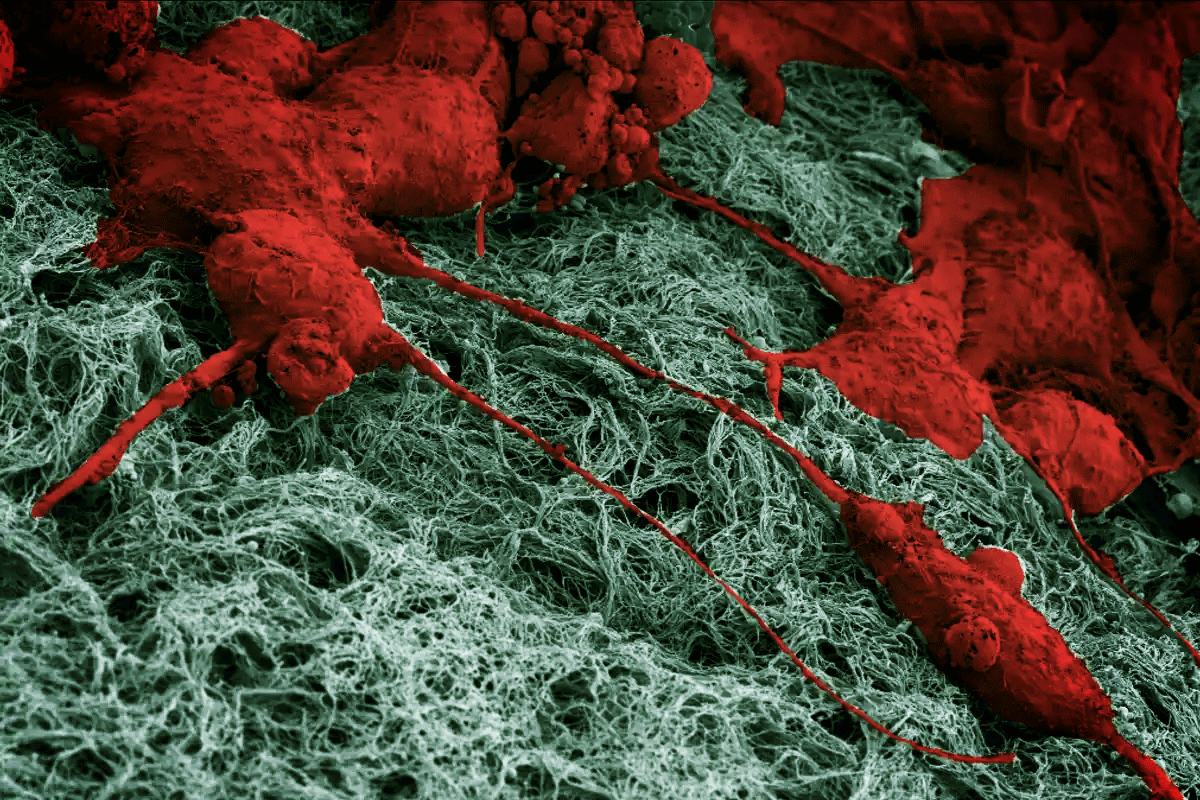
Most Thymosin Beta-4 research, like BPC-157’s, comes from animal and cell-culture models. One exception is a Phase 2 randomized controlled trial in corneal healing, which found 58% complete healing at 28 days in the treatment group compared to 28% in the placebo group — one of the few controlled human trials involving this peptide family.

This overview reflects published preclinical and laboratory research on each individual compound. The specific combination referred to as “Wolverine Blend” has not been evaluated as a co-formulation in published research. Products offered by Core Molecular Solutions are intended for laboratory research purposes only and are not for human or veterinary use.
You must be at least 21 years of age to access Core Molecular Solutions. By entering this site, you confirm that you meet this requirement