


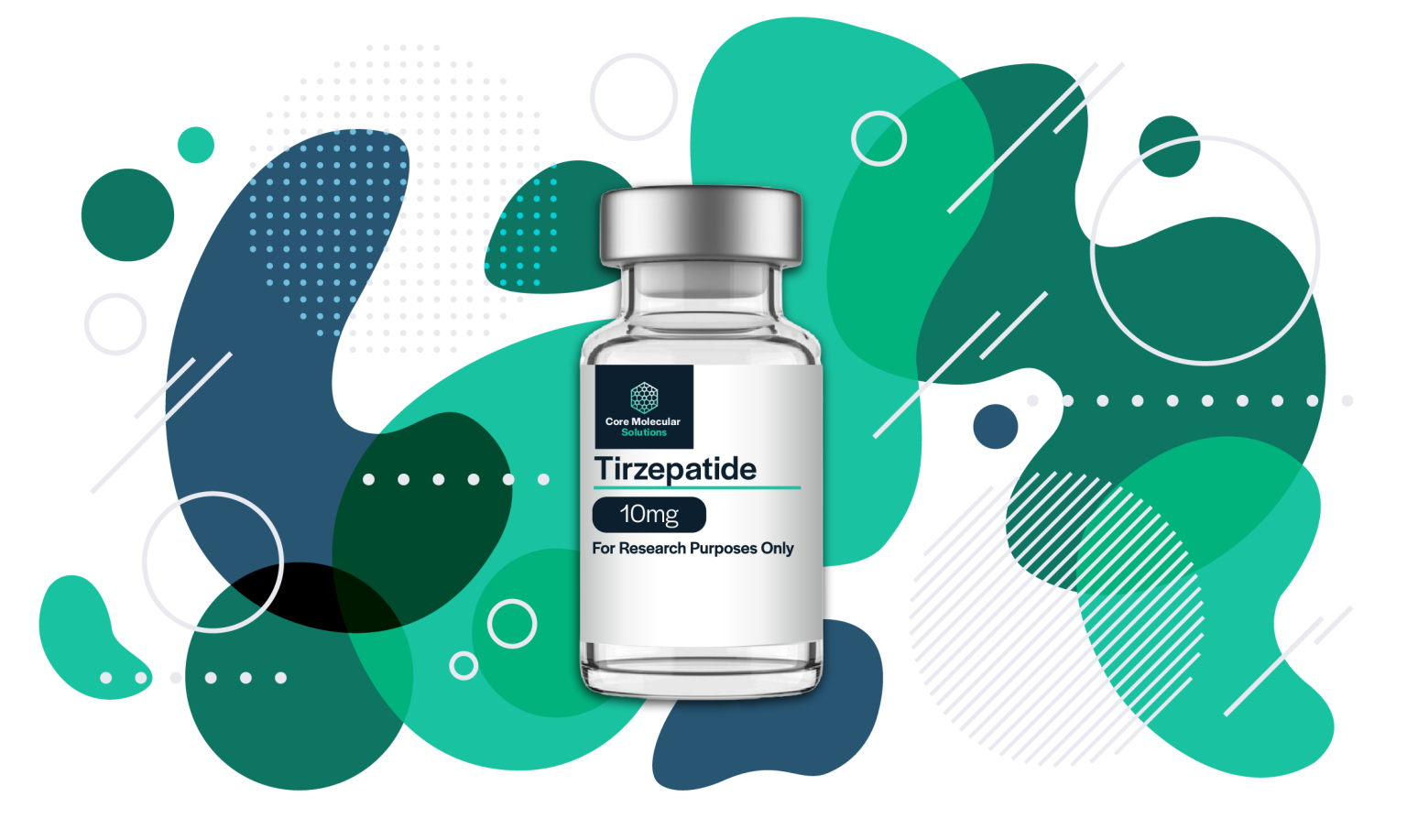
Tirzepatide: What the Research Shows
Tirzepatide is a synthetic peptide engineered to activate two hormone receptor pathways at once — glucose-dependent insulinotropic polypeptide (GIP) and glucagon-like peptide-1 (GLP-1). Both are naturally occurring incretin hormones involved in insulin secretion, appetite regulation, and metabolic signaling. Tirzepatide was the first therapy designed to activate both receptors simultaneously through a single molecule, a mechanism that has been studied extensively across a series of large-scale clinical trials.

Glycemic Control
The SURPASS clinical trial program evaluated tirzepatide across five separate studies in people with type 2 diabetes. Across these trials, tirzepatide reduced HbA1c by 1.24 to 2.58 percentage points depending on dose — a magnitude researchers described as unprecedented for a single therapeutic agent (Nauck & D’Alessio, Tirzepatide, a dual GIP/GLP-1 receptor co-agonist for the treatment of type 2 diabetes, Cardiovascular Diabetology, 2022). In head-to-head comparisons, the SURPASS-2 trial found tirzepatide produced greater average HbA1c reductions than semaglutide, a selective GLP-1 receptor agonist, while SURPASS-3 found tirzepatide outperformed titrated insulin degludec on both HbA1c and body weight measures, with a lower incidence of hypoglycemia.
Weight Management
Beyond glycemic outcomes, the SURMOUNT trial program examined tirzepatide’s effects on body weight in adults with obesity or overweight. The phase 3 SURMOUNT-3 trial found that adding tirzepatide to an intensive lifestyle intervention produced an additional 21.1% reduction in body weight after 12 weeks, for a total mean weight loss of 26.6% across the 84-week study period (Tirzepatide With Diet and Exercise Could Boost Weight Loss, Pharmacy Times, 2023).
Proposed Mechanisms
Researchers attribute tirzepatide’s effects to the combined action of its two receptor targets:
- GLP-1 receptor activation slows gastric emptying, which extends the sensation of fullness after eating and appears to reduce overall caloric intake
- GIP receptor activation is believed to act on both adipose tissue and brain reward circuitry, influencing energy expenditure and appetite regulation through a separate pathway
- Glucose-dependent insulin secretion from both incretin pathways means insulin release is stimulated primarily when blood glucose is elevated, which researchers note reduces hypoglycemia risk relative to therapies that stimulate insulin release independent of glucose levels
Regulatory Status
Tirzepatide is FDA-approved under the brand names Mounjaro (for type 2 diabetes) and Zepbound (for chronic weight management) and has been evaluated across one of the more extensive human clinical trial programs of any peptide therapy in this category.
Explore our Tirzepatide Research Product:
View TirzepatideThis overview reflects published clinical trial research. Products offered by Core Molecular Solutions are intended for laboratory research purposes only and are not for human or veterinary use.